
When Something Goes Wrong, Can You Prove Your Assets Were Properly Maintained?
When something goes wrong, can you prove your assets were properly maintained? Learn why maintenance records, compliance evidence and asset history matter.
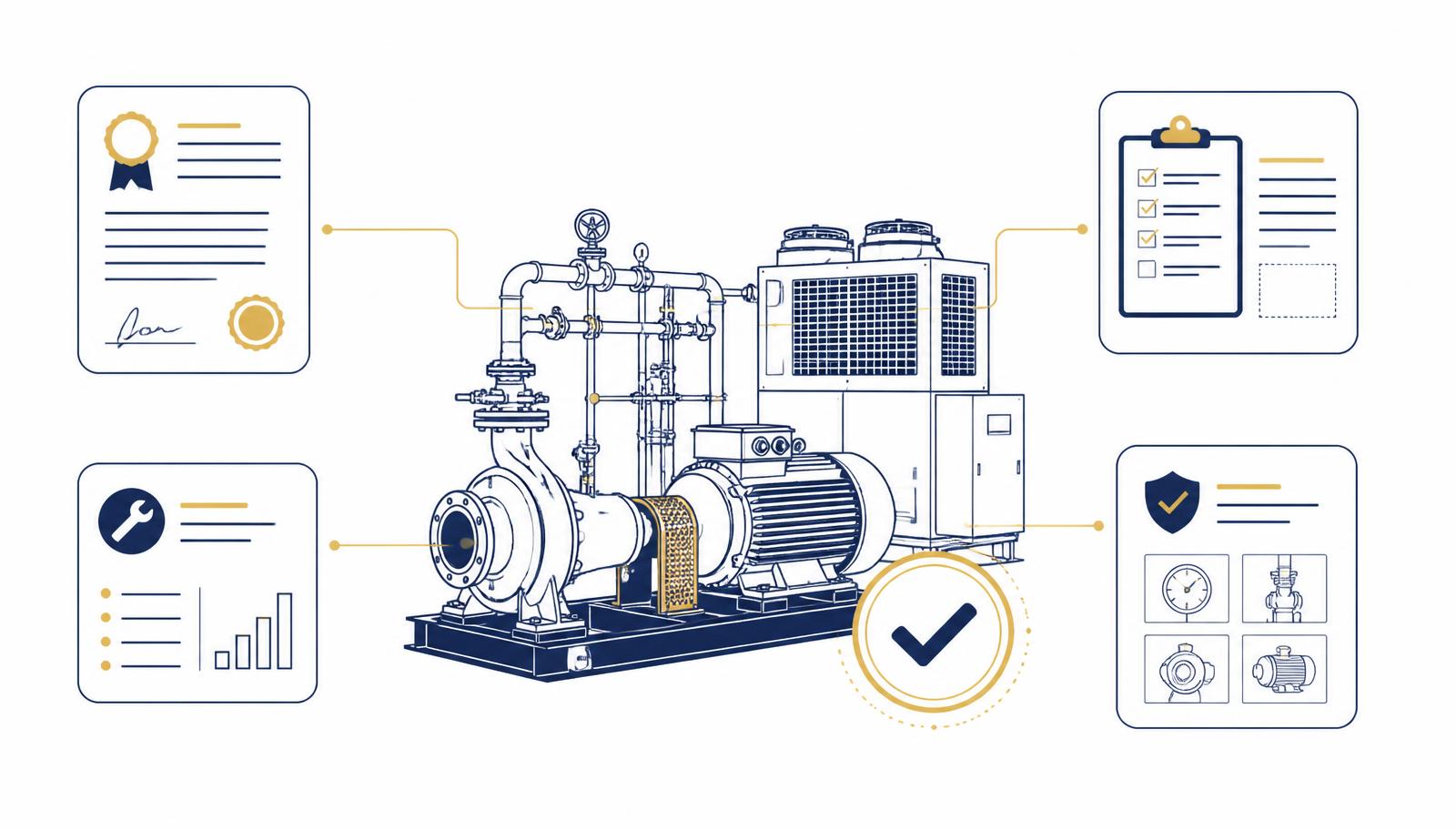
Why asset maintenance records, compliance evidence and operational history matter long before an incident, audit or insurance claim.
Most organisations know their assets need to be maintained.
Maintenance is scheduled. Contractors attend. Inspections are completed. Certificates are issued. Faults are repaired.
But there is another question that is often only tested when something goes wrong:
Can you prove it?
If a critical asset fails, an incident occurs, an insurer asks questions or an auditor requests evidence, could your organisation quickly show what was required, what was done, when it was done, who did it and whether any resulting actions were resolved?
For asset owners, that is an important distinction.
Asset maintenance compliance means ensuring required maintenance, inspections and related actions are completed when required — and retaining sufficient evidence to demonstrate that they were completed.
Completing the work is only part of asset control
Maintenance activity creates information.
There may be service reports, inspection records, certificates, invoices, photographs, fault histories, parts replaced, contractor records and corrective actions.
The problem is often not that this information doesn't exist.
It is that it exists in different places.
Finance has the invoice. Facilities has the maintenance schedule. The contractor has the service report. Compliance has the certificate. Faults may have been reported by email or WhatsApp. Supporting documents sit somewhere on a shared drive.
Each individual process may work.
But when the information surrounding an asset is fragmented, maintenance and compliance risk become harder to see.
An asset register tells you what you own. Asset control tells you what is happening to it.
An asset register is an important foundation.
It can tell you what the organisation owns, where an asset is located and perhaps its value, category or serial number.
Operational asset control goes further.
It should help the organisation understand:
- What condition is the asset in?
- What maintenance does it require?
- What has been done to it?
- What faults keep recurring?
- What inspections or compliance requirements apply?
- What is due or overdue?
- Who last worked on it?
- What issues were identified?
- Were those issues resolved?
- Where is the supporting evidence?
That distinction becomes increasingly important as organisations manage more assets, sites, contractors and compliance requirements.
Fragmentation can hide risk in otherwise functioning processes
Consider an asset that has required four repairs in 18 months.
Each repair may have been handled correctly. The contractor attended. The fault was fixed. The invoice was paid.
But if those events sit across separate emails, invoices and service reports, nobody may immediately see that the asset is becoming unreliable.
The same applies to compliance.
An inspection may have taken place, but perhaps it identified corrective work. A certificate may have been issued, but has since expired. A maintenance task may show as completed, but the supporting evidence is missing.
This is where asset risk can become difficult to identify.
Not because nothing is being done.
Because the organisation cannot easily see the complete operational picture.
When something goes wrong, the question changes
During normal operations, fragmented information can feel like an administrative inconvenience.
After an incident, failure, audit or insurance claim, it can become something more significant.
Imagine being asked:
“Show me the maintenance and compliance history for this asset for the last three years.”
Could you produce it quickly?
Or would someone need to search emails, reconcile spreadsheets, find certificates, contact contractors and piece together what happened?
At that point, the questions become very specific:
- Was the required maintenance completed?
- Were inspections current?
- Who performed the work?
- What did they find?
- Were corrective actions followed through?
- Can the organisation produce the supporting evidence?
This is no longer simply a maintenance question.
It is an asset governance and risk question.
Compliance requires more than tracking dates
Compliance management can easily become a schedule:
Inspection due. Certificate expires. Service required. Renewal approaching.
Those dates matter, but a due date alone does not demonstrate compliance.
A stronger compliance record connects the requirement to what actually happened: the inspection or service, its evidence, its validity and any actions that followed.
That creates an important shift from:
“We believe this is up to date.”
to:
“We can demonstrate why this is up to date.”
For organisations managing large portfolios or multiple sites, that distinction can be significant.
Good asset history improves decisions before anything goes wrong
Reliable records are not only about preparing for audits or incidents.
They make everyday asset decisions better.
When maintenance, faults, costs and condition can be considered together, organisations can more easily identify recurring problems, question repeated repair spend, plan preventive maintenance and make better repair-versus-replacement decisions.
The same visibility can improve contractor accountability by showing not simply that someone attended site, but what work was completed, what was identified and whether further action was required.
Over time, an asset develops something more useful than a static entry on a register: a reliable operational history.
Better technology still depends on better information
Predictive maintenance and automated analysis are becoming increasingly important in facilities and asset management.
But sophisticated analysis is only as useful as the information beneath it.
Before organisations can reliably predict failures, automate decisions or identify patterns across an asset portfolio, they need dependable asset, maintenance and compliance data.
For many asset owners, that is the more immediate opportunity: create a reliable operational record of what you own, what has happened to it, what needs to happen next and what evidence supports it.
From knowing what you own to knowing your risk
Good asset management is not about collecting more information for the sake of it.
It is about connecting the information that matters so that the organisation can understand its assets, identify risk and demonstrate that required work has been managed.
That means connecting assets with their maintenance, faults, work orders, contractors, inspections and compliance requirements and supporting evidence.
So when management asks what is happening with an asset, the answer does not have to be reconstructed from five different systems and someone's memory.
The operational record is already there.
Know your risk. Control your assets. Prove your compliance.
Axario Business helps organisations bring asset, maintenance and compliance information together in one operational environment — connecting assets with the work, requirements, people and evidence surrounding them.
Because good asset management isn't only about getting the work done.
It's about knowing it is under control — and being able to prove it when it matters.
Axario Business — Know your risk. Control your assets. Prove your compliance. Start a free trial or get in touch.